
Audio transfer
How Much Does It Cost to Digitize Audio Cassette Tapes?
Budget for preserving family voices or music, with example cassette totals and a clear distinction between transfer, repair and editing.
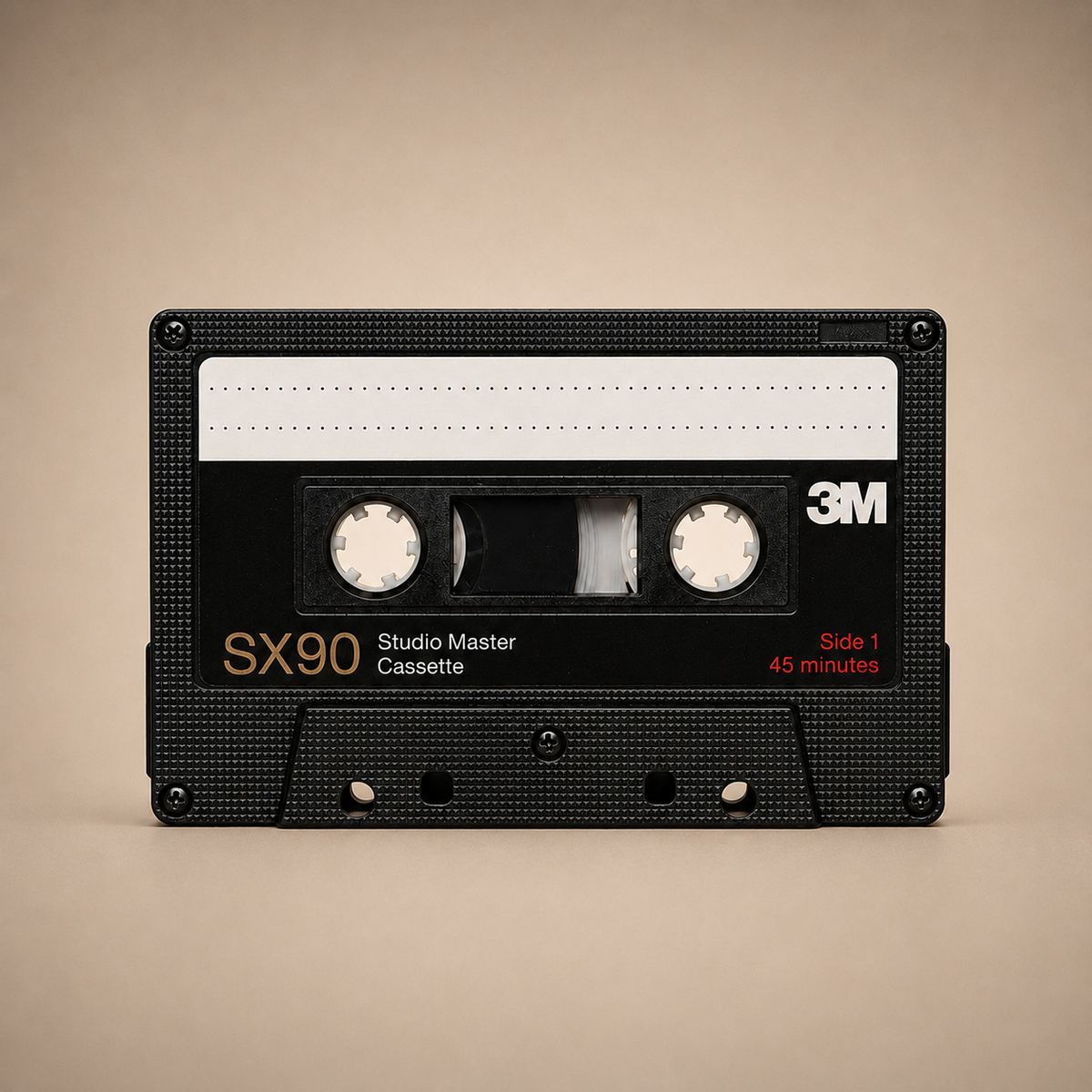
At Family Media Transfer, standard audio cassette digitizing starts at $39.99 per tape before eligible volume savings. That is the price for an audio cassette transfer, not a universal price for every sound recording: reel-to-reel tape, studio formats and special work can use different rates.
Tell us whether your tapes contain family voices, interviews, music or a larger archive. The contents help define the project, while the format and requested work determine the estimate. Start an audio transfer estimate if you know what you have.
How much does a collection of cassettes cost?
| Cassettes | Before discount | Volume discount | Transfer total |
|---|---|---|---|
| 1 | $39.99 | None | $39.99 |
| 5 | $199.95 | None | $199.95 |
| 10 | $399.90 | 10% | $359.90 |
| 20 | $799.80 | 17% | $663.80 |
Shopify rounds the discount on each tape to the cent. These examples cover standard transfers only and are not quotes for repairs, detailed editing or organizing an institutional archive. Review current prices and selected options in your estimate.
What files do I receive?
FMT's audio service provides MP3 and WAV files. MP3 files are useful for everyday listening and sharing; WAV files provide an uncompressed option for keeping the transferred audio. Digital delivery is included, and a physical drive is optional. Your originals are returned.
Tell us which devices you plan to use and whether you need a particular delivery arrangement. Keep another copy of the files in a separate place after you download them; a transfer should not leave your only usable copy on one device.
What can change the total?
- Recording format: a microcassette, open audio reel or studio tape may look familiar but needs the correct playback equipment and pricing.
- Condition: a broken shell or tangled tape should be assessed before playback. Ask what preparation is needed and whether it changes the estimate.
- Editing: splitting a long recording into many tracks, detailed cleanup and a custom archive structure should be discussed separately from basic transfer.
- Delivery: optional drives, shipping and other extras affect the total even when the transfer price stays the same.
The audio service guide lists the current formats and prices. If you are unsure, send a photo of the cassette, reel or label before selecting a service.
Does a C60 or C90 label tell you what is recorded?
Those markings describe a cassette's nominal capacity. They do not establish whether both sides were used, how much audio is present or whether the label accurately describes it. Keep any notes about sides A and B with the tape.
If a recording continues onto another cassette, tell us the sequence. If you do not know what is on an unlabeled tape, say so when asking for an estimate; do not assume a particular preview, screening or blank-tape policy without confirming it.
Is doing it myself less expensive?
It can reduce the service bill if you already have a suitable working player and a way to capture and check the audio. Your time also matters: tapes must be played, recordings monitored and the resulting files named and checked. Buying equipment for a few tapes may be a different decision from maintaining equipment for an ongoing archive.
For damaged or irreplaceable tapes, ask for an assessment before experimenting with an unreliable player. A failed first playback is not proof that the original recording is lost.
How do I start a larger archive?
Begin with an approximate count, the formats you recognize and your desired result. Identify a first batch if your budget cannot cover everything at once. An archive of sermons, oral histories or recordings from several decades may need a conversation about priorities, naming and delivery before a full quote.
Discuss a large audio collection, or use our audio transfer page to plan a local or mail-in project.